
Education and Outreach
Inspiring Future Leaders: Energy Thinking Bootcamp at Wego High School (臺北市私立薇閣高級中學)
Date: January 21–22
Location: Taipei Wego Private Bilingual Senior High School
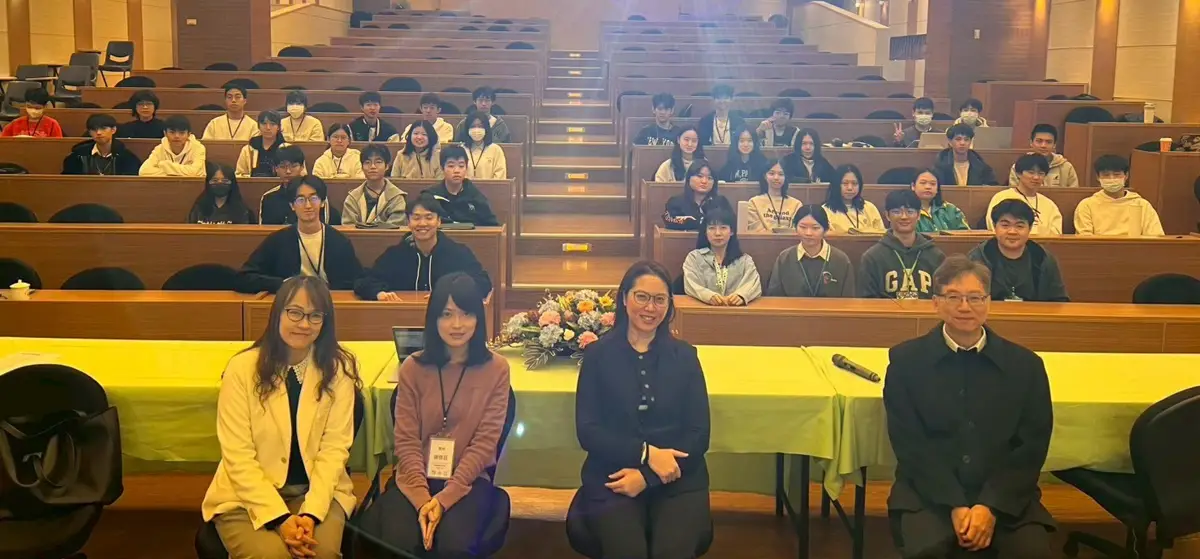
How do we prepare the next generation to make smart decisions about our planet's future? On January 21 and 22, the E3 Center took a step toward answering this question by hosting a two-day Energy Thinking Bootcamp for high school students in Grades 9 through 11.
Our goal was simple: to introduce the basics of the energy transition while giving students a space to explore complex, real-world problems.
Foundational Knowledge and Real-World Context
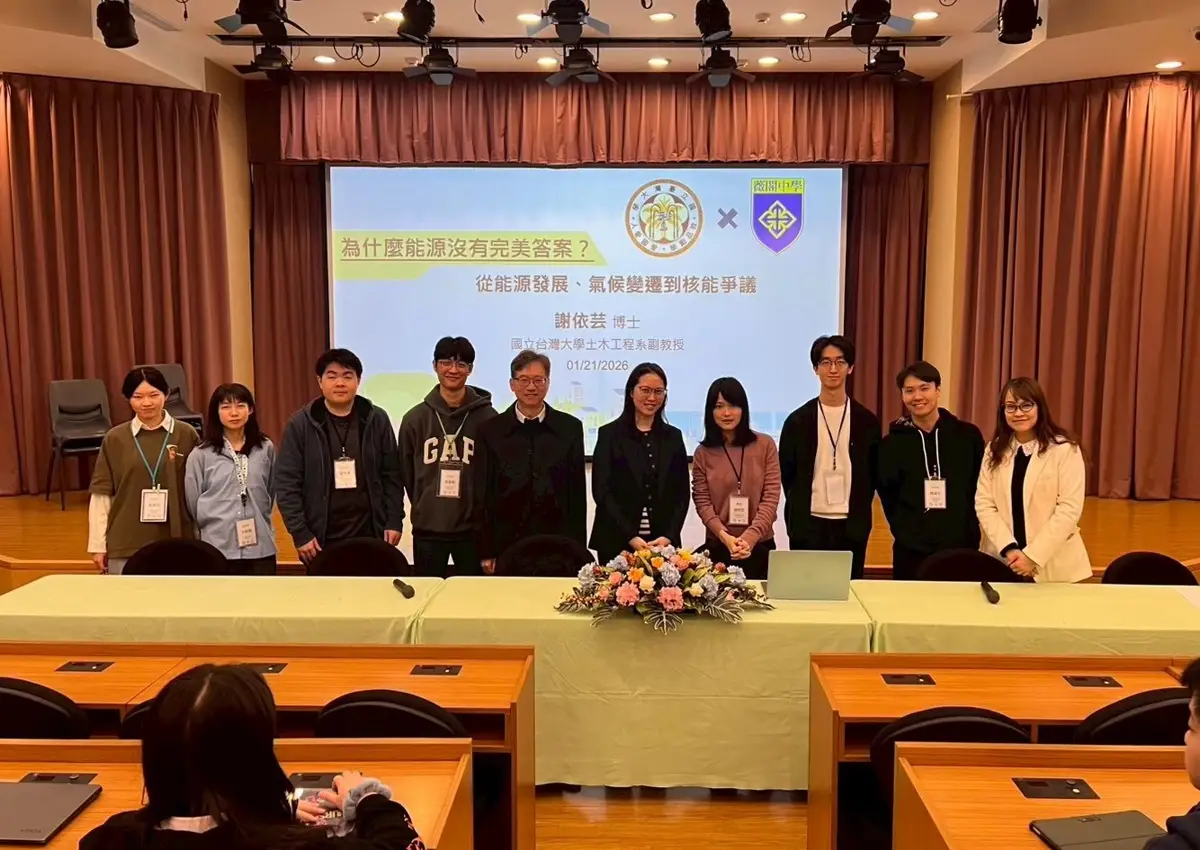
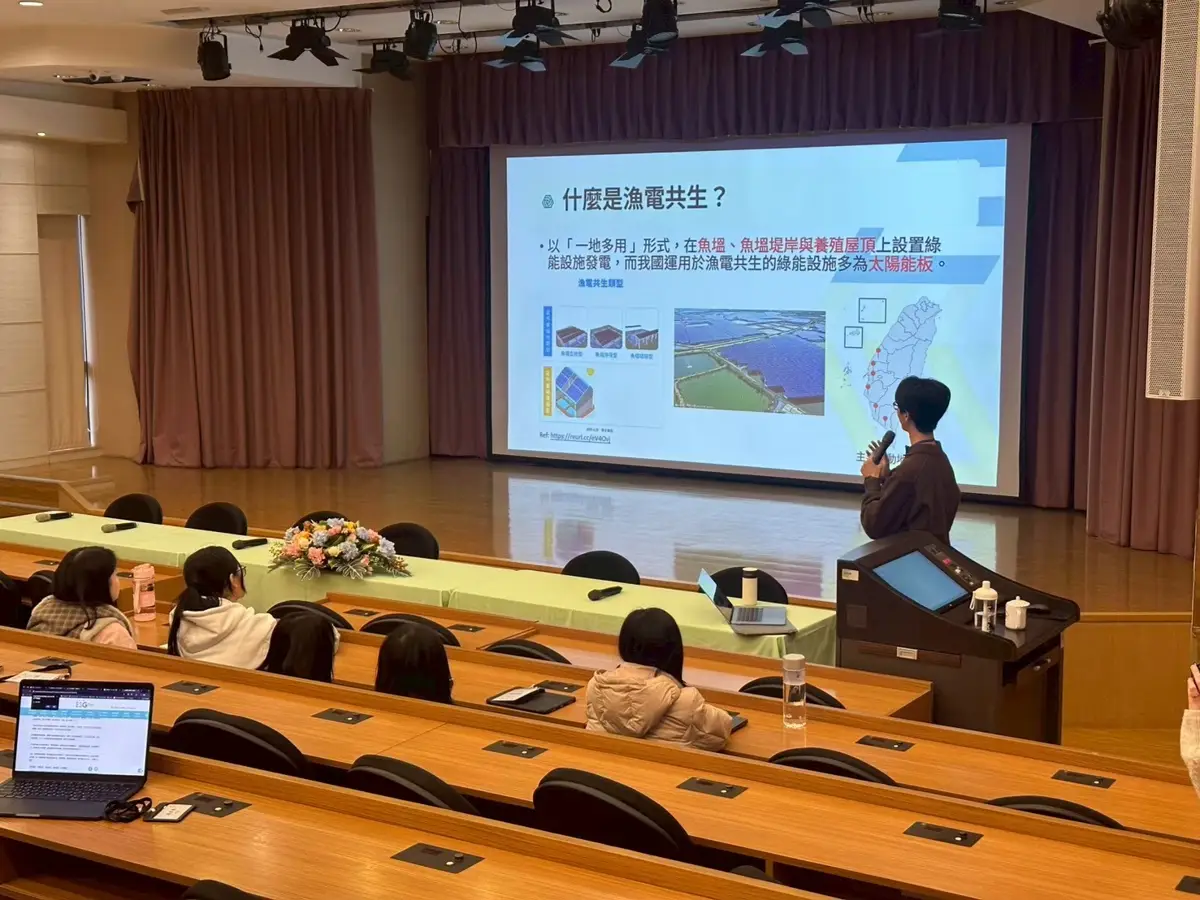
To set the stage, the bootcamp began with expert presentations framing both the global and local energy landscapes. Dr. I-Yun Lisa Hsieh, Director of the E3 Center, discussed the overarching global trends in the energy transition, highlighting how countries worldwide are investing heavily in early energy education to prepare future talent. Following this, Cheng-Hsiang Hsieh zoomed in on Taiwan's solar sector, unpacking the benefits to various stakeholders alongside the specific policies and challenges involved in its implementation.
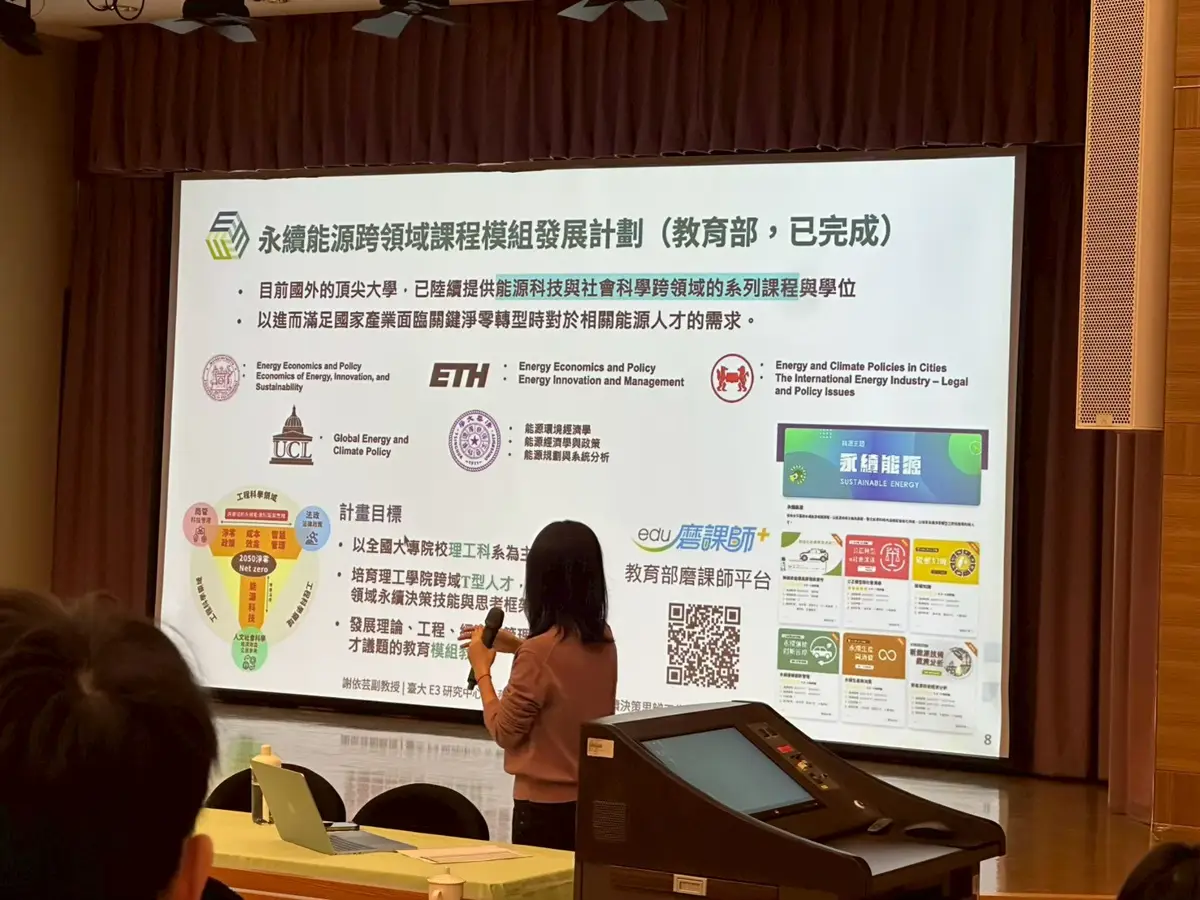
To further ground the students before their discussions, Yi-Ya Yu, a Master's student at the E3 Center, outlined Taiwan’s recent energy milestones. She introduced essential topics like the 2050 net-zero emissions target, the growing share of renewables, and the inevitable trade-offs inherent in any energy transition. This context helped students grasp real-world policy constraints, enabling them to evaluate the impacts of different energy options from a more comprehensive perspective.
Hands-On Learning and Interactive Choices
Equipped with this knowledge, the bootcamp shifted focus to interactive, student-driven activities. We wanted students to see firsthand that energy decisions involve more than just technology—they deeply impact people, varying industries, and the environment.
The students participated in two main activities:
-
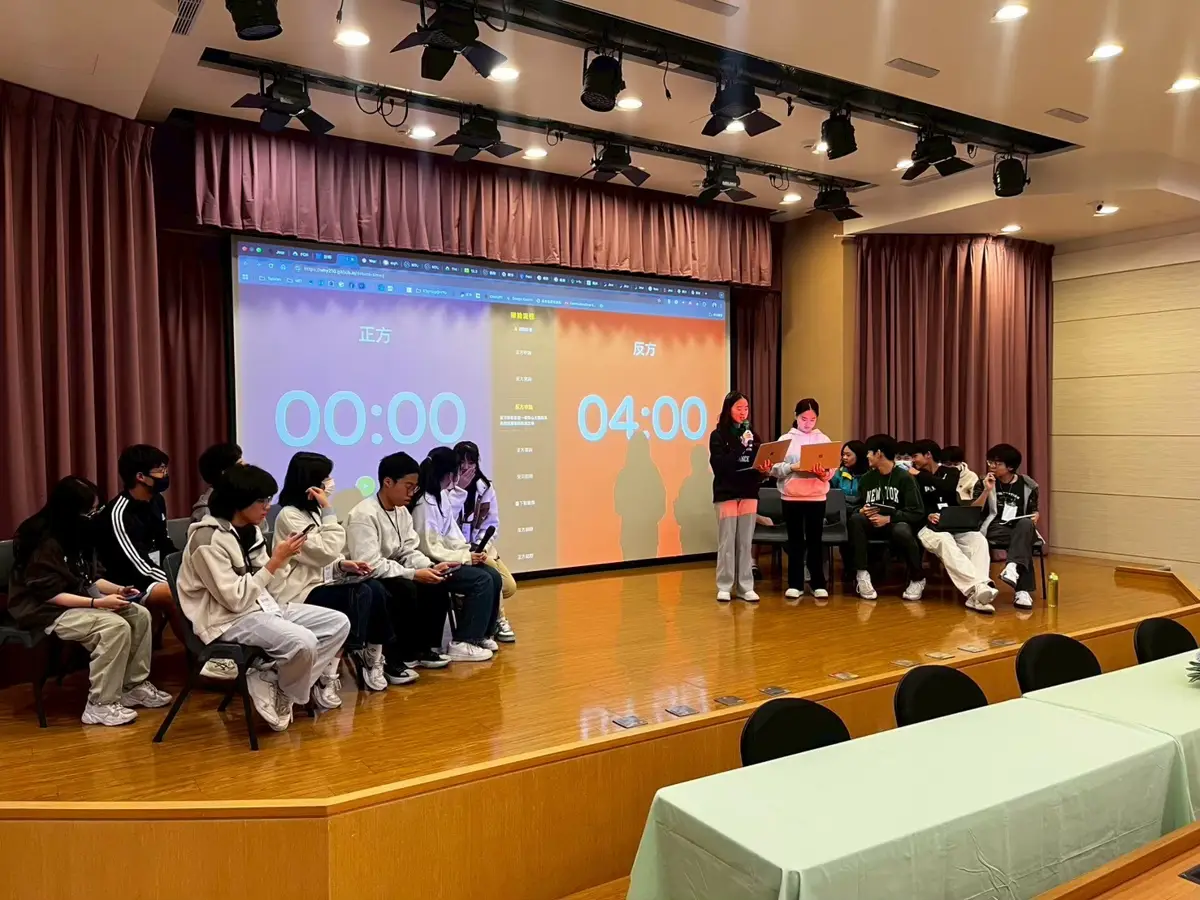
A Nuclear Energy Debate: Students researched and argued different sides of nuclear power. This exercise helped them practice critical thinking and learn how to substantiate their views with solid evidence.
-
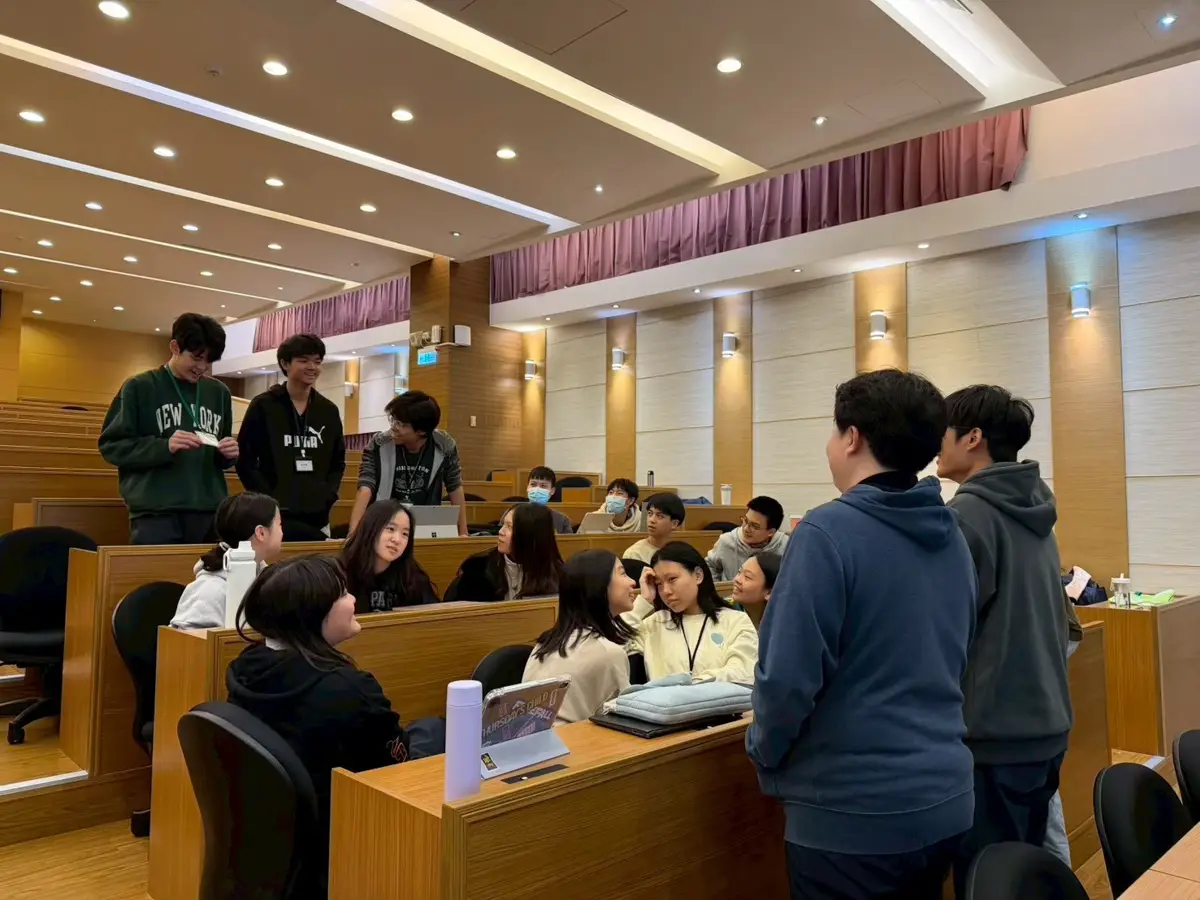
A Role-Playing Exercise on Fishery-Electric Symbiosis (漁電共生): Fishery-Electric Symbiosis is the innovative practice of sharing land for both solar energy generation and aquaculture. During this activity, students acted as different stakeholders—such as fish farmers, solar company representatives, and local residents.
By stepping into someone else's shoes, the students experienced the real-world complexities of energy policy. They learned firsthand that finding the right solution means listening to diverse voices and balancing competing needs.
Why Systems Thinking Matters
When we talk about the future of energy, every choice is connected to something else. This is called "systems thinking"—looking at the big picture rather than just one piece of the puzzle.
By teaching systems thinking and policy awareness at the high school level, we are doing more than just sharing facts. We are helping students build empathy and approach difficult debates with an open mind.
At the E3 Center, we believe that education is the foundation of sustainability. By empowering young minds to engage with these challenges today, we are helping them build a more resilient and sustainable world for tomorrow.